Yesterday Alfredo de Castilho – Today Castilho – São Paulo – Brazil – GRINGO©... 2006 and 2022 (Graphic Novel) – 2018 to 2024 (4 Books)
 Fotografia com imagem da estação de Castilho SP, no prédio ainda aparece o antigo nome de Alfredo de Castilho e ao lado da estação uma caixa-d’água.
 A estação foi inaugurada em 10 de agosto de 1937.
A photograph showing the Castilho (SP) station; the building still displays the old name, Alfredo de Castilho, and a water tower stands beside the station.
The station was inaugurated on August 10, 1937.


(Fontes: Silvio Rizzo; João A. Souza Filho; José H. Bellorio; Odilio Pereira de Queiroz Neto; Coaraci Camargo; Nelson Correa; Portal G1, 2015; O Estado de S. Paulo, 1999; E. F. Noroeste: Relação oficial de estações, 1937; Guia Geral das Estradas de Ferro do Brasil, 1960; Mapa - acervo R. M. Giesbrecht)
(Sources: Silvio Rizzo; João A. Souza Filho; José H. Bellorio; Odilio Pereira de Queiroz Neto; Coaraci Camargo; Nelson Correa; Portal G1, 2015; O Estado de S. Paulo, 1999; E. F. Noroeste: Official list of stations, 1937; General Guide to Brazil's Railways, 1960; Map – R. M. Giesbrecht collection)


Fotografia com imagem da placa com o dístico da estação de Castilho SP, ainda com o nome de Alfredo de Castilho.
Photograph with image of the plaque with the distic of the Castilho SP station, still with the name of Alfredo de Castilho.
CIDADE ONDE WILSON VIEIRA MOROU NOS ANOS 50/60, FONTE DE INSPIRAÇÃO PARA TODOS OS SEUS QUADRINHOS, TEXTOS E GRAPHIC NOVEL E LIVROS WESTERN (GRINGO©) - A ANTIGA ESTAÇÃO FERROVIÁRIA DA CIDADE; TOTALMENTE SAÍDA DE UM FAROESTE ITALIANO.
CITY WHERE WILSON VIEIRA LIVED IN THE 50's/60's, SOURCE OF INSPIRATION FOR ALL HIS COMICS, TEXTS AND WESTERN - GRAPHIC NOVEL AND BOOKS (GRINGO©) - THE CITY'S FORMER RAILWAY STATION; COMPLETELY OUT OF AN ITALIAN WESTERN.
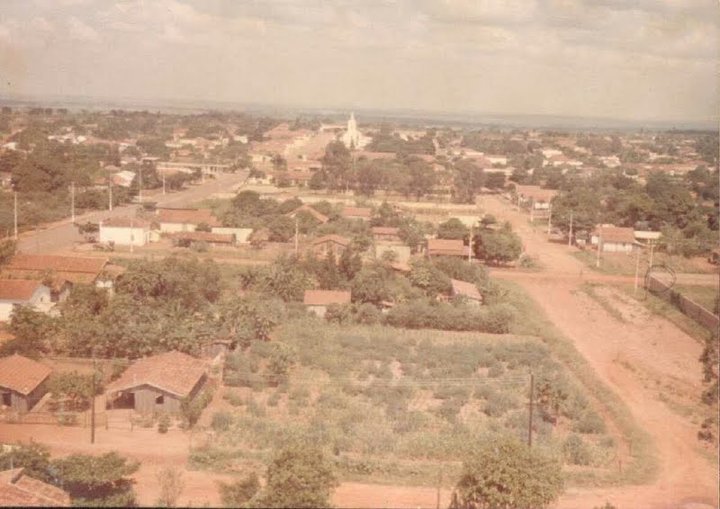
Since I was a little boy I had a great fascination for the Western theme, because from 7 to 14 years old in the 50s/60s I lived in a city in the interior of São Paulo called at the time: Alfredo de Castilho (today only Castilho) which was really a citadel similar to the Old West.
I watched the leathered, tired, bearded cowboys who drove huge herds (out of town), then rode down the dirt main street kicking up dust, (or mud depending on the season) dismounting and tying their sweaty horses to rough poles of wood.
Wood and entering warehouses, to drink or eat something - then they would leave, assemble again and leave - such images, expressions and gestures were imprinted in my memory forever (so much so that many years later, they were and are still used today, in my scripts of westerns - GRINGO© - (graphic novel e books).
HISTORICO DA LINHA FERROVIÁRIA:
A Estrada de Ferro Noroeste do Brasil foi aberta em 1906, seguindo a partir de Bauru, onde a Sorocabana havia chegado em 1905, até Presidente Alves, em setembro de 1906.
Em janeiro de 1907 atingia Lauro Müller, em 1908 Araçatuba e em 1910 atingia as margens do rio Paraná, em Jupiá, de onde atravessaria o rio, de início com balsas, para chegar a Corumbá, na divisa com o Paraguai, anos depois.
O trecho entre Araçatuba e Jupiá, que até 1937 costeava o rio Tietê em região infestada de malária, foi substituído nesse ano por uma variante que passou a ser parte do tronco principal, enquanto a linha velha se tornava o ramal de Lussanvira.
Em 1957, a Noroeste passou a fazer parte da RFFSA.
Transportou passageiros até cerca de 1995, quando esse transporte foi suprimido.
Em 1996, a RFFSA deu a concessão da linha para a Noroeste, que transporta cargas até hoje.
A ESTAÇÃO DA CIDADE:
A estação de Alfredo de Castilho foi inaugurada em 1937, ainda na variante de Jupiá.
O nome da estação foi dado em homenagem a um dos presidentes da Noroeste, o engenheiro Alfredo de Castilho, entre 1925 e 1928 e em duas outras oportunidades.
A estação deu origem ao município que se emancipou em 1953, agora com o nome de Castilho.
A estação foi desativada nos anos 1990 e no final dessa década foi reformada para abrigar o Lions Clube.
No dístico, ainda aparecia escrito Alfredo de Castilho em 2009.
Em janeiro de 2017, estava infelizmente, totalmente abandonada.
RAILWAY LINE HISTORY:
The Noroeste do Brasil Railway opened in 1906, running from Bauru—where the Sorocabana line had arrived in 1905—to Presidente Alves by September 1906.
It reached Lauro Müller in January 1907 and Araçatuba in 1908.
By 1910, it had reached the banks of the Paraná River at Jupiá; from there, it would cross the river—initially via ferries—to eventually reach Corumbá, on the border with Paraguay, years later.
The section between Araçatuba and Jupiá, which until 1937 ran along the Tietê River through a malaria-infested region, was replaced that year by a new alignment that became part of the main line, while the old track became the Lussanvira branch.
In 1957, the Noroeste line became part of the RFFSA (Federal Railway Network).
It carried passengers until around 1995, when passenger service was discontinued.
In 1996, the RFFSA granted the line's concession to the Noroeste operator, which continues to transport freight to this day.
THE CITY'S STATION:
The Alfredo de Castilho station was inaugurated in 1937, situated on the Jupiá alignment.
The station was named in honor of one of the Noroeste's presidents, the engineer Alfredo de Castilho, who served between 1925 and 1928 and on two other occasions.
The station gave rise to the municipality—which gained its independence in 1953—now known as Castilho.
The station was deactivated in the 1990s and, at the end of that decade, was renovated to house the Lions Club.
As of 2009, the name "Alfredo de Castilho" was still visible on the station's nameboard.
By January 2017, it was, unfortunately, completely abandoned.

Foto de formatura da turma do então Grupo Escolar Armel Miranda (Castilho), no ano de 1959, com o prefeito e professores...e lá estava eu também, o quinto aluno sentado, da esquerda para a direita, na primeira fileira.
Graduation photo of the group from the then Armel Miranda School Group (Castilho), in 1959, with the mayor and teachers...and there I was too, the fifth student sitting, from left to right, in the first row.
Castilho é um município brasileiro do estado de São Paulo. Localiza-se a uma latitude 20º52'20" sul e a uma longitude 51º29'15" oeste, estando a uma altitude de 365 metros. Sua população estimada em 2017 era de 20 362 habitantes.
Possui uma área de 1062,6 km², sendo o 31º maior município do estado de São Paulo.
Castilho também possui o terceiro maior território da Região Administrativa de Araçatuba.
A cidade recebeu em abril de 2012, o certificado de Município Verde Azul, pela adesão ao programa homônimo, lançado em 2007 pela Secretaria do Meio Ambiente do Governo do estado de São Paulo.
Castilho recebeu status de município pela lei estadual nº 2456, de 30 de dezembro de 1953, com território desmembrado do município de Andradina.Em 1934, Armel de Miranda veio para esta região, conseguindo através da família Ferreira Brito, a doação de um terreno para formar o Patrimônio. Outros povoadores aí se fixaram abrindo pequenas lavouras. Nessa época, chegou à povoação, então conhecida por Vila Cauê, o engenheiro da Estrada de Ferro Noroeste do Brasil, o Senhor Alfredo Castilho, chefe dos trabalhadores que implantavam a ferrovia na região, ligando os Estados de São Paulo e Mato Grosso, cortando o rio Paraná. Em 1937, os trilhos já tinham sido implantados, assim como a estação denominada de ALFREDO DE CASTILHO, ao lado da qual se formou a povoação que teve importante função comercial na integração da ferrovia com a navegação do rio Paraná. Novos contingentes de povoadores vieram se fixar aumentando o patrimônio e lavouras da região, dedicadas às culturas de algodão, milho, arroz, feijão e amendoim. Em 1944, a povoação passou a denominar-se CASTILHO. A grande fase de desenvolvimento da comunidade iniciou-se somente por volta de 1965 com os serviços de terraplanagem e construção da Usina de Jupiá, atual Engenheiro Souza Dias, integrante do complexo de Urubupungá, inaugurado em 1969. O represamento das águas do rio Paraná evitou as constantes inundações das terras cultivadas, aliando ainda, a irrigação destas, propiciando altas produções agrícolas.
Castilho recebeu status de município pela lei estadual nº 2456, de 30 de dezembro de 1953, com território desmembrado do município de Andradina.Em 1934, Armel de Miranda veio para esta região, conseguindo através da família Ferreira Brito, a doação de um terreno para formar o Patrimônio. Outros povoadores aí se fixaram abrindo pequenas lavouras. Nessa época, chegou à povoação, então conhecida por Vila Cauê, o engenheiro da Estrada de Ferro Noroeste do Brasil, o Senhor Alfredo Castilho, chefe dos trabalhadores que implantavam a ferrovia na região, ligando os Estados de São Paulo e Mato Grosso, cortando o rio Paraná. Em 1937, os trilhos já tinham sido implantados, assim como a estação denominada de ALFREDO DE CASTILHO, ao lado da qual se formou a povoação que teve importante função comercial na integração da ferrovia com a navegação do rio Paraná. Novos contingentes de povoadores vieram se fixar aumentando o patrimônio e lavouras da região, dedicadas às culturas de algodão, milho, arroz, feijão e amendoim. Em 1944, a povoação passou a denominar-se CASTILHO. A grande fase de desenvolvimento da comunidade iniciou-se somente por volta de 1965 com os serviços de terraplanagem e construção da Usina de Jupiá, atual Engenheiro Souza Dias, integrante do complexo de Urubupungá, inaugurado em 1969. O represamento das águas do rio Paraná evitou as constantes inundações das terras cultivadas, aliando ainda, a irrigação destas, propiciando altas produções agrícolas.
Castilho is a Brazilian municipality in the state of São Paulo. It is located at a latitude of 20°52'20" South and a longitude of 51°29'15" West, at an altitude of 365 meters. Its estimated population in 2017 was 20,362 inhabitants.
It covers an area of 1,062.6 km², making it the 31st largest municipality in the state of São Paulo.
Castilho also possesses the third-largest territory within the Araçatuba Administrative Region.
In April 2012, the city received the "Green-Blue Municipality" (*Município Verde Azul*) certification for joining the program of the same name, which was launched in 2007 by the São Paulo State Secretariat for the Environment.
Castilho was granted municipal status by State Law No. 2456 on December 30, 1953, with territory detached from the municipality of Andradina.
In 1934, Armel de Miranda arrived in the region and secured a land donation from the Ferreira Brito family to establish the settlement. Other settlers settled there, starting small farms.
During this period, Alfredo Castilho—an engineer with the Noroeste do Brasil Railway and the supervisor of the crews building the line to connect the states of São Paulo and Mato Grosso across the Paraná River—arrived at the settlement, then known as Vila Cauê. By 1937, the tracks had been laid, as had the station named "Alfredo de Castilho"; the settlement grew up beside it, playing a key commercial role by linking the railway with Paraná River navigation.
New groups of settlers arrived, expanding the local settlement and agricultural output, with crops including cotton, corn, rice, beans, and peanuts. In 1944, the settlement was renamed Castilho.
The community's major phase of development began only around 1965 with the earthworks and construction of the Jupiá Power Plant—now known as the Engenheiro Souza Dias plant—part of the Urubupungá complex, which was inaugurated in 1969. Damming the waters of the Paraná River prevented the constant flooding of cultivated lands while also enabling irrigation, thereby fostering high agricultural yields.


Con questo intervento sulla letteratura gotica e sul fumetto horror inizia la collaborazione del grande autore brasiliano WILSON VIEIRA a DIME WEB scrive dei saggi mensili: LA STORIA DEL WEST©!!
Le immagini di corredo sono tutte tratte da storie sceneggiate da Wilson.
WILSON VIEIRA, nato nel 1949, dopo gli studi d'arte sostenuti a Firenze nei primi anni '70, Wilson Vieira ha lavorato per lungo tempo in Italia come disegnatore di fumetti.
Dal 1973 al 1980 ha fatto parte dello Staff di If di Gianni Bono a Genova e, in tale veste, ha collaborato alla collana bonelliana "Il Piccolo Ranger" (che proprio Bono, dal febbraio 2012, sta ristampando).
Lavori di Wilson sono apparsi anche su "Diabolik" dell'Astorina e - su sceneggiatura di Franco Fossati - ha disegnato nel 1981 Octopus sfida l'Uomo Ragno (per la Mondadori Libri TV).
Attualmente, fra i suoi mille progetti, sta portando avanti la serie a fumetti Cangaceiros – Uomini di Cuoio© e GRINGO© - Graphic Novel e 4 libri Western.
Impossibile però riassumere in poche righe la straordinaria carriera di Wilson. Potete trovare interviste a Vieira, sue biografie e novità sui suoi lavori un po' dovunque sul web.
(s.c. & f.m.)



RECEITA DE ESPAGUETE WESTERN À MODA VIEIRA
Wilson Vieira contudo, guardou e trouxe em sua bagagem pessoal, a seleta criatividade culinária, retornando ao País, certo hábito inspirador, bem característico, intrigante e inesquecível adquirido em cinemas lotados de fãs, da Velha Bota, do qual era um assíduo atento e entusiasta participante, lá pelos anos 70.
Anotando detalhadamente, os seus temperos essenciais, bem como, as diferentes propostas alimentares, servidas naquela época.
É o seu inigualável e profundo interesse pessoal, pelo atrativo, saboroso, inebriante e suculento SPAGHETTI WESTERN; cuja receita original e única, criada por uma dupla Italiana de excepcionais Masterchefs; Sergio Leone e Ennio Morricone, o qual preservou cuidadosamente mesmo, com o passar do tempo e dos modismos voláteis de alguns ingredientes, aguardando por décadas pacientemente, o exato momento, após intensa levitação e maturação, ofertá-la aos seus inúmeros e fiéis clientes, num banquete, do mais elevado aroma, sabor e principalmente, com o seu surpreendente conteúdo, bem diferenciado.
Ingira prazerosamente, essa magnifica alquimia alimentar Literária, num excepcional, inédito e exclusivo cardápio, em quatro variados e vitaminados volumes; em duas formas, para a sua melhor comodidade de aquisição: a versão brochura ou a versão eBook, a escolha delivery, é exclusivamente sua, portanto informe-se, no site e saboreie, quando e como quiser, essa famosa e única macarronada caseira, servida à la carte.
GRINGO© é o prato resultante, desta rara, nutriente e fumegante iguaria, juntamente com o meu apetitoso e abundante, molho pessoal, caseiro, bem marcante, tornando-se assim, verdadeiramente inigualável, para o deleite total, de seus incontáveis fregueses.
Bom apetite e sirvam-se à vontade, do bangue-bangue à Italiana; além de desenhado, agora também escrito.
PROJETO/PROPOSTA DA SÉRIE GRINGO©.
PROJETO/PROPOSTA DA SÉRIE GRINGO©.
LITERATURA SPAGHETTI WESTERN, EM QUATRO VOLUMES.
Romancistas e Criadores de mitos escreveram sob as formas; episódicas e excêntricas, dramáticas e heroicas, dando vida àquela imagem superficial de um Oeste Selvagem, que fascina gerações no mundo inteiro.
Nós historiadores contestamos os dramas, e o heroísmo exagerados, negando, tanto o aspecto bárbaro quanto a missão civilizadora, porque suas críticas não podem se radicalizarem na objetividade, entre a Lenda e a Realidade sobre o Velho Oeste Americano e seus personagens.
Atualmente esta busca, de retornar aos tempos da História dos pioneiros e as origens econômicas e sociais dos Estados Unidos da América, ainda permanecem como objeto de inúmeros e infindáveis estudos.
Mas, a conquista do Velho Oeste foi, antes de tudo, uma obra de imigrantes pobres, inegavelmente.
Lá não importava a condição social, nem os títulos de nobreza; cada um contava com as próprias capacidades de sobrevivência, no miserável e realista dia-a-dia.
GRINGO© é uma dessas inúmeras divagações, sobre o empolgante e fascinante tema, que permanece ainda hoje, inesgotável e misterioso; o Western, em Literatura.
Romancistas e Criadores de mitos escreveram sob as formas; episódicas e excêntricas, dramáticas e heroicas, dando vida àquela imagem superficial de um Oeste Selvagem, que fascina gerações no mundo inteiro.
Nós historiadores contestamos os dramas, e o heroísmo exagerados, negando, tanto o aspecto bárbaro quanto a missão civilizadora, porque suas críticas não podem se radicalizarem na objetividade, entre a Lenda e a Realidade sobre o Velho Oeste Americano e seus personagens.
Atualmente esta busca, de retornar aos tempos da História dos pioneiros e as origens econômicas e sociais dos Estados Unidos da América, ainda permanecem como objeto de inúmeros e infindáveis estudos.
Mas, a conquista do Velho Oeste foi, antes de tudo, uma obra de imigrantes pobres, inegavelmente.
Lá não importava a condição social, nem os títulos de nobreza; cada um contava com as próprias capacidades de sobrevivência, no miserável e realista dia-a-dia.
GRINGO© é uma dessas inúmeras divagações, sobre o empolgante e fascinante tema, que permanece ainda hoje, inesgotável e misterioso; o Western, em Literatura.
Começa aqui uma aventura, descrita realisticamente; numa época selvagem, onde a lei era simplesmente uma palavra insignificante e na terra bruta, onde a arma tornava-se, a única justiça possível.
O clássico e idealizado herói do Faroeste em Literatura, normalmente é; respeitoso com as mulheres, cortês com os humildes, hábil e preparado para combater seus inimigos, sempre respeitando as regras de um jogo leal e, sobretudo, é um vencedor.
GRINGO© não; simplesmente porque eu não escrevo, para criar heróis; na verdade, bem longe disso.
O clássico e idealizado herói do Faroeste em Literatura, normalmente é; respeitoso com as mulheres, cortês com os humildes, hábil e preparado para combater seus inimigos, sempre respeitando as regras de um jogo leal e, sobretudo, é um vencedor.
GRINGO© não; simplesmente porque eu não escrevo, para criar heróis; na verdade, bem longe disso.
Ele não é, absolutamente, este tipo de personagem estereotipado, principalmente quando encontra, o seu irmão, brutalmente assassinado.
Saído das cinzas da famigerada e sanguinária Guerra de Secessão, este sobrevivente Unionista, traz consigo, as marcas de um passado sangrento.
Inicie a desvendar, a sua verdadeira e complexa personalidade, através desta série original e única.
Sim caro leitor, o Velho Oeste voltou, para ser lido, em quatro volumes sensacionais.
GRINGO© é uma leitura ágil, vibrante, tendo muita ação do início ao fim, a cada capítulo, com estórias fechadas e interligadas, transferindo e materializando, os excelentes filmes Italianos em textos, com o verdadeiro e empolgante tema mundial; o SPAGHETTI WESTERN.
Saído das cinzas da famigerada e sanguinária Guerra de Secessão, este sobrevivente Unionista, traz consigo, as marcas de um passado sangrento.
Inicie a desvendar, a sua verdadeira e complexa personalidade, através desta série original e única.
Sim caro leitor, o Velho Oeste voltou, para ser lido, em quatro volumes sensacionais.
GRINGO© é uma leitura ágil, vibrante, tendo muita ação do início ao fim, a cada capítulo, com estórias fechadas e interligadas, transferindo e materializando, os excelentes filmes Italianos em textos, com o verdadeiro e empolgante tema mundial; o SPAGHETTI WESTERN.
GRINGO© durante suas aventuras relembra também, as terríveis batalhas nas quais participou e que dividiu o País, matando milhares de homens, como ele.
GRINGO© é a verdadeira imagem do homem do Oeste pós-guerra, tentando sobrepujar a violência, o ódio e a vingança.
A morte o rejeitou, mas ainda pode levá-lo a qualquer momento.
Acompanhe GRINGO, em sua solitária e incessante cavalgada, neste ambiente hostil, enquanto ele está vivo!
Um verdadeiro spaghetti western brasileiro, em livros.
Um mestiço sem nome...arriba...GRINGO©!!
Acompanhe GRINGO, em sua solitária e incessante cavalgada, neste ambiente hostil, enquanto ele está vivo!
Um verdadeiro spaghetti western brasileiro, em livros.
Um mestiço sem nome...arriba...GRINGO©!!
VIEIRA-STYLE SPAGHETTI WESTERN RECIPE
Wilson Vieira brought back more than just personal luggage; he returned with a refined culinary creativity and an inspiring, distinctive, and unforgettable habit—one acquired back in the 1970s while sitting in packed Italian movie theaters as an avid, enthusiastic fan. He meticulously noted down the essential seasonings and the various culinary styles served during that era.
Driven by a profound personal passion for the alluring, flavorful, intoxicating, and succulent "Spaghetti Western"—an original recipe created by the exceptional Italian duo of master chefs Sergio Leone and Ennio Morricone—he has carefully preserved it through the passage of time and fleeting ingredient trends. Patiently, over decades of "rising" and maturation, he awaited the perfect moment to offer it to his countless loyal customers as a feast of exquisite aroma and flavor—and, above all, a unique and surprising experience. Savor this magnificent literary-culinary alchemy, presented in an exceptional, original, and exclusive menu spanning four diverse and enriching volumes. Available in two formats for your convenience—paperback or eBook—the choice is yours; simply visit the website to order and enjoy this famous, unique, homemade "pasta dish" à la carte, whenever and however you please.
GRINGO© is the final dish resulting from this rare, nourishing, and steaming delicacy, paired with my own appetizing, hearty, and distinctive homemade sauce—creating a truly unrivaled experience for the delight of countless patrons.
Bon appétit! Help yourself to this Italian-style "bang-bang" experience—now not only illustrated but written. THE GRINGO© SERIES: PROJECT/PROPOSAL.
A SPAGHETTI WESTERN LITERARY WORK IN FOUR VOLUMES.
Novelists and myth-makers have written in episodic, eccentric, dramatic, and heroic styles, breathing life into that superficial image of the Wild West that has fascinated generations worldwide.
We historians challenge these exaggerated dramas and heroics—rejecting both the "barbaric" narrative and the "civilizing mission" myth—because the analysis cannot simply swing to the extreme of objectivity when navigating the space between legend and reality regarding the American Old West and its figures.
To this day, the quest to revisit the era of the pioneers and the economic and social origins of the United States remains the subject of countless, endless studies.
Yet, the conquest of the Old West was, undeniably, the work of impoverished immigrants above all else.
Social status and titles of nobility mattered little there; each individual relied on their own survival skills amidst a harsh, gritty, and unforgiving daily reality.
GRINGO© is one such exploration of that thrilling, fascinating, and—even now—inexhaustible and mysterious theme: the Western in literature.
Here begins a realistically depicted adventure set in a savage era—a time when "law" was merely an empty word and, on that raw frontier, a gun became the only form of justice available.
The classic, idealized Western hero of literature is typically respectful toward women, courteous to the humble, skilled and ready to battle enemies—always playing fair—and, above all, a winner.
GRINGO© is none of that; simply because I do not write to create heroes—far from it.
He is absolutely not that kind of stereotypical character, especially when he discovers his brother has been brutally murdered. Rising from the ashes of the infamous and bloody Civil War, this Union survivor bears the scars of a violent past.
Begin to unravel his true, complex personality through this unique original series.
Yes, dear reader: the Old West has returned—to be experienced across four sensational volumes.
GRINGO© offers a fast-paced, vibrant read packed with action from start to finish. Each chapter features a self-contained yet interconnected story, translating the spirit of classic Italian films into the written word and capturing the excitement of that iconic global genre: the Spaghetti Western.
Throughout his adventures, GRINGO© also reflects on the horrific battles that tore the nation apart and claimed the lives of thousands of men just like him.
GRINGO© embodies the post-war Western man, striving to rise above violence, hatred, and vengeance.
Death may have spared him once, but it could still claim him at any moment.
Follow GRINGO on his solitary, relentless ride through a hostile land—while he’s still alive!
A true Brazilian Spaghetti Western in book form.
A nameless half-breed... *Arriba*... GRINGO©!!


2006

2022


FLASH...FLASH...THE GRINGO© GRAPHIC NOVEL IS ALREADY BEING SOLD IN EUROPE AND JAPAN IN THE ORIGINAL PORTUGUESE VERSION!!
FLASH...FLASH...LA GRAPHIC NOVEL GRINGO È GIÀ IN VENDITA IN EUROPA E GIAPPONE NELLA VERSIONE ORIGINALE PORTOGHESE!!
NOTÍCIA RÁPIDA...A GRAPHIC NOVEL GRINGO JÁ ESTÁ SENDO VENDIDA NA EUROPA E NO JAPÃO NA VERSÃO ORIGINAL EM PORTUGUÊS!!

Saído das cinzas da Guerra Civil norte-americana, um homem leva consigo as marcas de um passado sangrento. GRINGO é um mestiço - filho de mãe sueca e pai mexicano - que perambula pelo Velho Oeste, defendendo o seu mísero punhado de dólares.
A morte o rejeitou, mas ainda pode levá-lo a qualquer momento.
Em GRINGO - O Escolhido©, o Velho Oeste Selvagem do pós-Guerra Civil ressurge da prolífera imaginação de Wilson Vieira com o suporte visual do traço pungente de Aloísio de Castro - adepto da escola clássica europeia - apresentando-nos um Velho Oeste palpável, brutal, selvagem, no sentido amplo da palavra.
Rising from the ashes of the American Civil War, a man bears the scars of a bloody past.
GRINGO is a man of mixed heritage—born to a Swedish mother and a Mexican father—who wanders the Old West, defending his meager handful of dollars.
Death has rejected him, yet it could still claim him at any moment.
In *GRINGO - O Escolhido*©, the Wild West of the post-Civil War era emerges from the prolific imagination of Wilson Vieira, brought to life by the evocative artistry of Aloísio de Castro—a proponent of the classic European school. Together, they present a Wild West that is palpable, brutal, and savage in every sense of the word.


FLASH...FLASH...THE GRINGO TETRALOGY IS ALREADY BEING SOLD IN EUROPE AND JAPAN IN THE ORIGINAL PORTUGUESE VERSION!!
FLASH...FLASH...LA TETRALOGIA DEL GRINGO È GIÀ IN VENDITA IN EUROPA E GIAPPONE NELLA VERSIONE ORIGINALE PORTOGHESE!!
NOTÍCIA RÁPIDA...A TETRALOGIA GRINGO JÁ ESTÁ SENDO VENDIDA NA EUROPA E NO JAPÃO NA VERSÃO ORIGINAL EM PORTUGUÊS!!
2018/2024


2025/2026
1980 - I initially created the character and wrote the script for a graphic novel (116 pages); however, finding it impossible to fully develop the long-haired *mestizo’s* personality and sarcasm within a long-running comic book series, I transformed the project into the *GRINGO*© Western literary tetralogy (1224 pages)—thereby achieving the goal I had envisioned from the very start!
I AM THE FIRST BRAZILIAN WRITER TO WRITE A WESTERN TETRALOGY...GRINGO© IN MY COUNTRY!!
1980 - Inizialmente ho creato il personaggio e scritto la sceneggiatura per una graphic novel (116 pagine); tuttavia, ritenendo impossibile sviluppare appieno la personalità e il sarcasmo del *mestizo* dai capelli lunghi nell'ambito di una serie a fumetti di lunga durata, ho trasformato il progetto nella tetralogia letteraria western *GRINGO*© (1224 pagine), realizzando così l'obiettivo che mi ero prefissato fin dall'inizio!
SONO IL PRIMO SCRITTORE BRASILIANO A SCRIVERE - UNA TETRALOGIA LETTERARIA WESTERN...GRINGO© NEL MIO PAESE!!
1980 - Inicialmente criei o personagem e escreví o roteiro para uma graphic novel (116 páginas) e na impossibilidade de desenvolver o que tinha imaginado sobre o caráter e sarcasmo do mestizo cabeludo numa série longa em quadrinhos; transformei-o na Tetralogia Literária Western *GRINGO*© (1224 páginas)...alcançando assim o meu objetivo desejado, desde o início!!
SOU O PRIMEIRO ESCRITOR BRASILEIRO A ESCREVER - UMA TETRALOGIA LITERÁRA WESTERN... GRINGO© EM MEU PAÍS!!
After his graphic novel, GRINGO© is now in books!
Transitioning a comic book character to a prose book allows the reader's imagination to take over; it frees the characters from the constraints and shallow development often imposed by the comic format, granting them a depth that comics frequently cannot accommodate.
We are currently witnessing a generous trend where many comic book heroes migrate to other platforms—television, cinema, and, notably, an environment free from the limitations of page counts or an artist's specific drawing style: prose fiction.
In this realm, the visual interpretation generated by each reader's imagination breaks the characters free from constraints and superficiality, providing the depth that comics often lack.
In other European countries and the United States, short stories and novels featuring comic book superheroes are a well-established reality; a wide range of publishers release numerous titles, creating a highly profitable industry.
A pleasant surprise for literature and comic book fans arrived in Brazil with the release of two works featuring the most famous heroes from Sergio Bonelli Editore:
1 - *Tex – A história da minha vida* (Tex – The Story of My Life), written by Mauro Boselli.
2 - *Zagor – Os muros de Jericho* (Zagor – The Walls of Jericho), by Moreno Burattini.
It could be no different for GRINGO©!
This long-haired, sarcastic, Brazilian-coffee-loving *mestizo* was created by Wilson Vieira in the early 1980s. Although his first comic book was released twenty years later, his development was inevitably limited by the magazine format, leaving readers with only a fleeting impression of his vast and complex personality.
GRINGO© exemplifies how great characters thrive during this "migration of medium."
Rising from the ashes of the Civil War, this character carries the scars of a bloody past.
Death rejected him, yet could still claim him at any moment.
And that means confronting cruelty, hatred, vengeance, and the ghosts within his own mind.
Yet he seeks neither revenge nor redemption!
With a graphic novel and four books already published, the character GRINGO© is unlike any you have ever seen; he is a lone rider—far removed from the traditional heroes of the West who are always ready to face their enemies while playing by the rules of fair play.
Not GRINGO©!
He is absolutely not that kind of idealized hero.
Thadeu Fayad/Editor.
Fumetti/Brasil Magazine.
GRINGO©, após sua graphic novel, está agora em livros!!
Migrar um personagem de HQ para um livro possibilita que a imaginação de cada leitor produz, tiram dos personagens as amarras e o desenvolvimento raso, dando a eles a profundidade que muitas vezes uma HQ não permite.
Experimentamos atualmente um movimento generoso onde muitos heróis dos quadrinhos migram para outras plataformas, televisão, cinema e principalmente um ambiente onde eles não precisam sofrer com as limitações de poucas páginas ou mesmo os traços de seus desenhistas, os livros de prosa.
Lá nesse ambiente a interpretação visual que a imaginação de cada leitor produz, tiram dos personagens as amarras e o desenvolvimento raso, dando a eles a profundidade que muitas vezes uma HQ não permite.
Em outros países da Europa e nos Estados Unidos, os contos e romances estrelados por super-heróis dos gibis são uma realidade consolidada, são vários lançamentos de livros por uma gama ainda maior de editoras e que virou uma indústria altamente lucrativa.
Uma boa surpresa para os fãs de literatura e quadrinhos aconteceu quando trouxeram ao Brasil duas obras estreladas pelos heróis mais famosos da Sergio Bonelli Editore:
1 - Tex – A história da minha vida, escrita por Mauro Boselli.
2 - Zagor – Os muros de Jericho, de Moreno Burattini.
Com o GRINGO© não poderia ser diferente!
Esse mestizo cabeludo, sarcástico e viciado em café brasileiro que foi criado no início dos anos 1980, por Wilson Vieira, que depois de vinte anos teve sua primeira HQ lançada, acabou tendo seu desenvolvimento limitado graças ao formato que uma revista tem, obrigando o leitor a ficar com aquela impressão curta sobre sua enorme e complexa personalidade.
GRINGO© é um exemplo de que bons personagens ficam à vontade durante essa “migração de ambiente.”
Esse personagem saído das cinzas de uma Guerra Civil, leva consigo as marcas de um passado sangrento.
A morte o rejeitou, mas ainda pode levá-lo a qualquer momento.
E isso significa enfrentar a crueldade, o ódio, a vingança e os fantasmas da mente.
Porém não procura desforras ou redenção!!
Já publicados uma Graphic Novel e quatro Livros mostrando um GRINGO© como você nunca viu, ele é um cavaleiro solitário, que está bem distante de ser um dos tradicionais heróis do West, sempre prontos a enfrentarem seus inimigos, respeitando as regras de um jogo leal.
GRINGO© não!!
Ele não é esse tipo de herói idealizado; absolutamente.
Thadeu Fayad/Editor.
Revista Fumetti/Brasil.
Dopo la graphic novel, GRINGO© arriva ora in libreria!
Il passaggio di un personaggio dei fumetti alla narrativa in prosa lascia libero sfogo all'immaginazione del lettore; libera i personaggi dai vincoli e dallo sviluppo talvolta superficiale imposti dal formato del fumetto, conferendo loro una profondità che quest'ultimo spesso non riesce a offrire.
Assistiamo oggi a una tendenza diffusa che vede molti eroi dei fumetti migrare verso altre piattaforme: televisione, cinema e, soprattutto, un ambito libero dai limiti di foliazione o dallo stile grafico di un disegnatore: la narrativa in prosa.
In questo contesto, l'interpretazione visiva scaturita dall'immaginazione di ogni lettore affranca i personaggi da costrizioni e superficialità, donando loro quella profondità che spesso manca nei fumetti.
In altri paesi europei e negli Stati Uniti, racconti e romanzi che vedono protagonisti i supereroi dei fumetti sono una realtà consolidata; numerose case editrici pubblicano svariati titoli, dando vita a un settore di grande successo commerciale.
Una piacevole sorpresa per gli appassionati di letteratura e fumetti è arrivata in Brasile con la pubblicazione di due opere dedicate ai più celebri eroi della Sergio Bonelli Editore:
1 - *Tex – A história da minha vida* (Tex – La storia della mia vita), scritto da Mauro Boselli.
2 - *Zagor – Os muros de Jericho* (Zagor – Le mura di Gerico), di Moreno Burattini.
Non poteva essere altrimenti per GRINGO©!
Questo *mestizo* dai capelli lunghi, sarcastico e amante del caffè brasiliano, è stato creato da Wilson Vieira nei primi anni '80. Sebbene il suo primo fumetto sia uscito solo vent'anni più tardi, il suo sviluppo è stato inevitabilmente limitato dal formato della rivista, lasciando ai lettori solo un'impressione fugace della sua personalità vasta e complessa.
GRINGO© è l'esempio perfetto di come grandi personaggi possano prosperare grazie a questa "migrazione di medium".
Risorto dalle ceneri della Guerra Civile, questo personaggio porta su di sé le cicatrici di un passato sanguinoso.
La morte lo ha respinto, eppure potrebbe reclamarlo da un momento all'altro.
Ciò significa dover affrontare crudeltà, odio, vendetta e i fantasmi della propria mente.
Eppure, egli non cerca né vendetta né redenzione!
Con una graphic novel e quattro libri già pubblicati, il personaggio di GRINGO© è diverso da qualsiasi altro abbiate mai visto; è un cavaliere solitario, ben lontano dai tradizionali eroi del West, sempre pronti ad affrontare i nemici rispettando le regole del "fair play."
Non GRINGO©!
Non è affatto quel tipo di eroe idealizzato.
Thadeu Fayad/Editore.
Fumetti/Brasil Magazine.
O personagem foi criado por Wilson Vieira nos anos 80, inicialmente como uma série de histórias em quadrinhos e o primeiro a ser publicado foi “GRINGO o Escolhido” porém limitava o leitor entender sua complexa personalidade em poucas páginas de cada álbum; o autor decidiu então transformar tudo, nos anos seguintes o que já havia escrito em roteiros para a literatura, dando assim a cada leitor a liberdade de imaginação e maior compreensão realística sobre o caráter do mestizo cabeludo, na época em que viveu.
The character was created by Wilson Vieira in the 1980s, initially as a comic book series—the first title being *GRINGO the Chosen One*—but the limited page count of each issue made it difficult for readers to fully grasp his complex personality. Consequently, the author decided to transform the existing scripts into prose fiction, thereby giving readers the freedom to use their imaginations and gain a more realistic understanding of the long-haired *mestizo’s* character and the era in which he lived.
Il personaggio fu creato da Wilson Vieira negli anni '80, inizialmente come serie a fumetti — il primo titolo era *GRINGO il Prescelto* — ma il numero limitato di pagine di ciascun albo rendeva difficile per i lettori cogliere appieno la sua personalità complessa.
Di conseguenza, l'autore decise di trasformare le sceneggiature esistenti in narrativa in prosa, offrendo così ai lettori la libertà di usare l'immaginazione e di comprendere in modo più realistico il carattere del *mestizo* dai capelli lunghi e l'epoca in cui viveva.
A LITERATURA BRASILEIRA SE FAZ PRESENTE...
UM MESTIZO, UM SOBREVIVENTE, NO MAIS COMPLETO CAOS ENVOLVENDO O PAÍS...TOTALMENTE DESTRUÍDO MORALMENTE PELA GUERRA...SIMPLESMENTE TENTANDO VIVER ALGUNS DIAS A MAIS...ELE É...GRINGO©...EM 4 LIVROS HISTÓRICOS/FICCIONAIS DE TIRAR O FOLEGO; DESTRUINDO O MITO DO LIMPO E PERFEITO HOMEM AMERICANO...DEFENSOR DA "LEI E A JUSTIÇA"!!
CADA LIVRO CONTÉM 4 EPISÓDIOS; TOTALIZANDO 1228 PÁGINAS!!
©Wilson Vieira
Brazilian literature makes its mark...
A man of mixed heritage, a survivor, amidst the country's utter chaos... morally shattered by war... simply trying to live a few more days... He is... Gringo©... in four breathtaking historical-fiction books; shattering the myth of the clean-cut, perfect American man... the champion of "law and justice"!!
Each book contains four episodes; totaling 1,228 pages!!
©Wilson Vieira


FOR WILSON VIEIRA...CREATOR: GRINGO©.
VISUAL ART - BY: STUDIO KAWI - 2026 - BRAZIL
PARA WILSON VIEIRA...CRIADOR: GRINGO©.
ARTE VISUAL - POR: STUDIO KAWI - 2026 - BRASIL
PER WILSON VIEIRA...CREATORE: GRINGO©.
ARTE VISIVA - DI: STUDIO KAWI - 2026 - BRASILE


FOR WILSON VIEIRA...CREATOR: GRINGO©.
VISUAL ART - BY: STUDIO KAWI - 2026 - BRAZIL
PARA WILSON VIEIRA...CRIADOR: GRINGO©.
ARTE VISUAL - POR: STUDIO KAWI - 2026 - BRASIL
PER WILSON VIEIRA...CREATORE: GRINGO©.
ARTE VISIVA - DI: STUDIO KAWI - 2026 - BRASILE


FOR WILSON VIEIRA...CREATOR: GRINGO©.
VISUAL ART - BY: STUDIO KAWI - 2026 - BRAZIL
PARA WILSON VIEIRA...CRIADOR: GRINGO©.
ARTE VISUAL - POR: STUDIO KAWI - 2026 - BRASIL
PER WILSON VIEIRA...CREATORE: GRINGO©.
ARTE VISIVA - DI: STUDIO KAWI - 2026 - BRASILE


